
What Makes A School Feel Like A Community?
Client: La Petite Ecole, Singapore
Service: Creative Direction and Brand Story Film Production
When I was approached to create a video for La Petite École Singapore, there were two goals.
First, the video would be submitted for a French educational school competition.
Second, it needed to work as the school’s About Us video — something they could use beyond the competition.
So, naturally, there was a little pressure to get it right.
Thankfully, we did.
We won 1st prize.
But what I found more interesting was why the video worked.
So, what makes a school different?
Before starting the project, I spent some time researching other international schools and watching their brand videos.
I noticed something quite quickly.
A lot of them followed a similar structure.
The principal talks about the school.
Teachers talk about the curriculum.
We see the facilities.
Then we hear about the school’s values, achievements and what makes it special.
There’s nothing wrong with that. In fact, it works.
But it got me thinking:
If every school is talking about their facilities, achievements and values, how do you actually stand out?
I didn't want to make another video that simply told parents how great the school was.
I wanted them to feel what the school was like.
A school is more than its classrooms
When I think about a school, I don't immediately think about the buildings or facilities.
I think about the people.
The teachers.
The students.
The parents.
The relationships between them.
Because ultimately, parents aren't just choosing a place for their children to study.
They're trusting a group of people to spend a huge part of their children's lives with them.
That relationship matters.
So, from the beginning, I felt that the video needed to feel less like a corporate school video and more like a community.
Almost like a family.
We started with the students
We knew we had a great opportunity because the students featured in the video had permission from their parents to participate.
So instead of opening with a principal standing in front of a camera talking about the school, we decided to start somewhere completely different.
With the students.
We put them together and let them interact naturally with the interviewer.
It was playful. A little chaotic. And, honestly, quite funny.
And that's exactly what we wanted.
The first few seconds of a video are incredibly important. You need to give people a reason to keep watching.
But instead of trying to create some dramatic opening, we went with something lighthearted.
Something that immediately felt like a school.
And there was another benefit.
Parents love seeing their children.
If a parent sees their child having fun in the video, there's a good chance they'll want to share it with their friends and family.
Suddenly, the video isn't just marketing material from the school.
It's something personal.
And that's a much more powerful reason to share something.
Then we brought in the teachers
After the opening, we did eventually follow a more familiar structure.
We featured the principal and teachers talking about the school.
But I didn't want the teachers to simply repeat the school's website copy.
Instead, I wanted to know:
Why did they become teachers?
What do they believe about education?
What does teaching mean to them?
Because every teacher has a story.
And I think those stories are far more interesting than simply saying, "We provide a holistic education."
When someone talks about their own experiences and beliefs, you start to understand the person behind the job.
And that's when a school starts to feel human.
We let the classroom tell the story
We also didn't want the interviews to carry the entire video.
So while the teachers were sharing their stories, we paired their words with candid moments from the classroom.
Students interacting with teachers.
Teachers helping students.
Little moments of laughter.
Conversations.
The everyday things that might seem insignificant when you're there, but actually say a lot about a school.
We approached these moments almost like a documentary.
Instead of asking everyone to stop and pose for the camera, we tried to observe what was already happening.
Because sometimes, the best brand story isn't something you create. It's something you notice.
And I think that's what helped the final video feel different.
It wasn't just telling parents what La Petite École was about.
It was giving them a glimpse of what it felt like to be part of the school.
So, what did we end up with?
We ended up with a video that worked as an About Us film, but didn't really feel like a traditional About Us video.
It introduced the school.
It gave parents information.
It showed the teachers.
It featured the students.
But most importantly, it showed the relationships between them.
And, of course, winning 1st prize was an incredible result.
But for me, the bigger takeaway was the creative approach behind it.
Your community is your brand
If you're thinking about creating a brand story video for your school or educational centre, I'd encourage you to look beyond the obvious things.
Don't just talk about your facilities.
Don't just list your achievements.
Don't just tell people what your values are.
Show them.
Talk to your teachers.
Let parents share their experiences.
Give students a voice.
Capture the little moments that happen in your classrooms every day.
Because those are the things that make your school different from every other school.
At the end of the day, a school isn't just a building or a curriculum.
It's a community of people.
And that's where I think the strongest stories are.
Your brand is your community.
And your community is your brand.
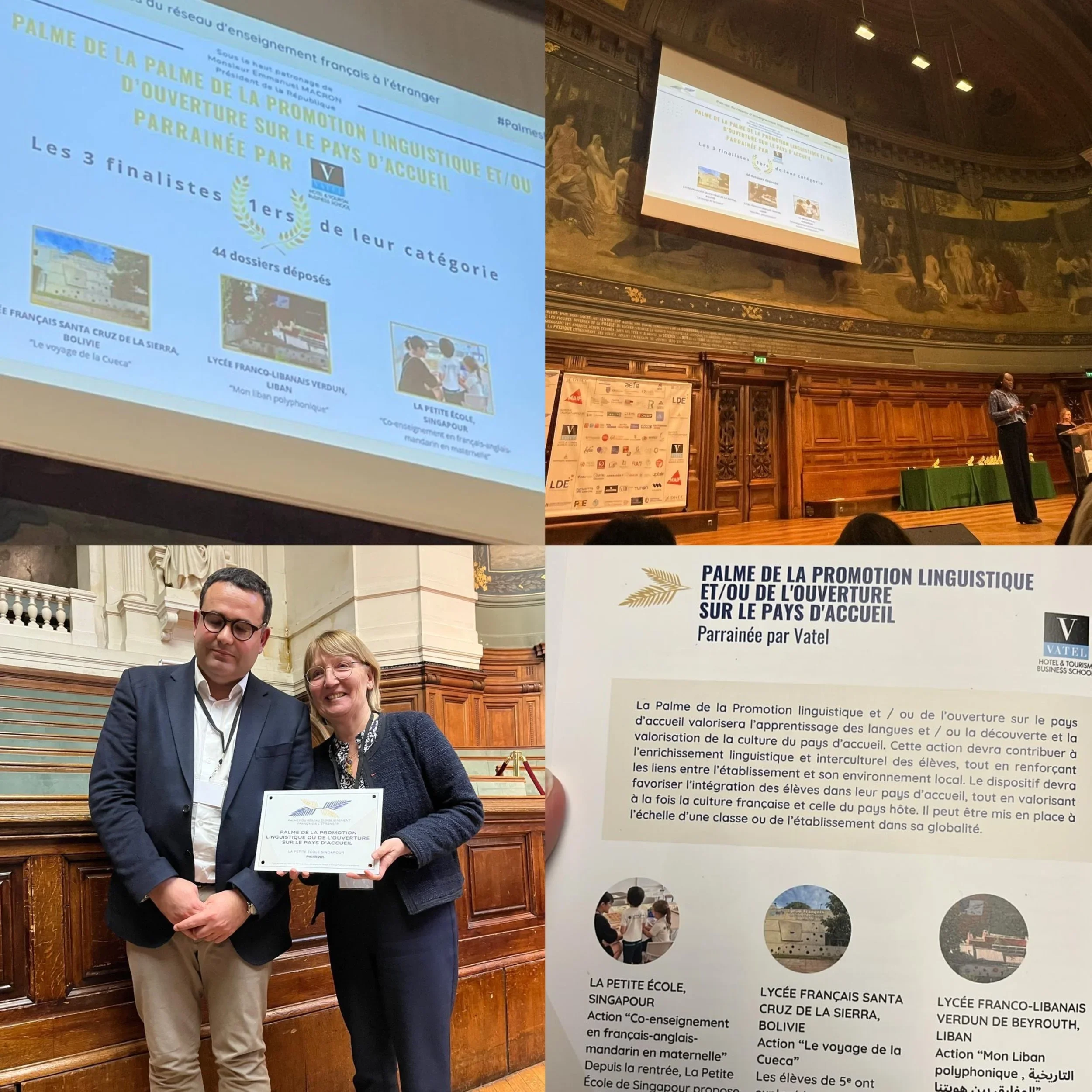
We Won 1st place in our category!
Let’s explore how we can work together.
+65 8828 2479
alfred@miixostory.com