
Why Good Photos Sell
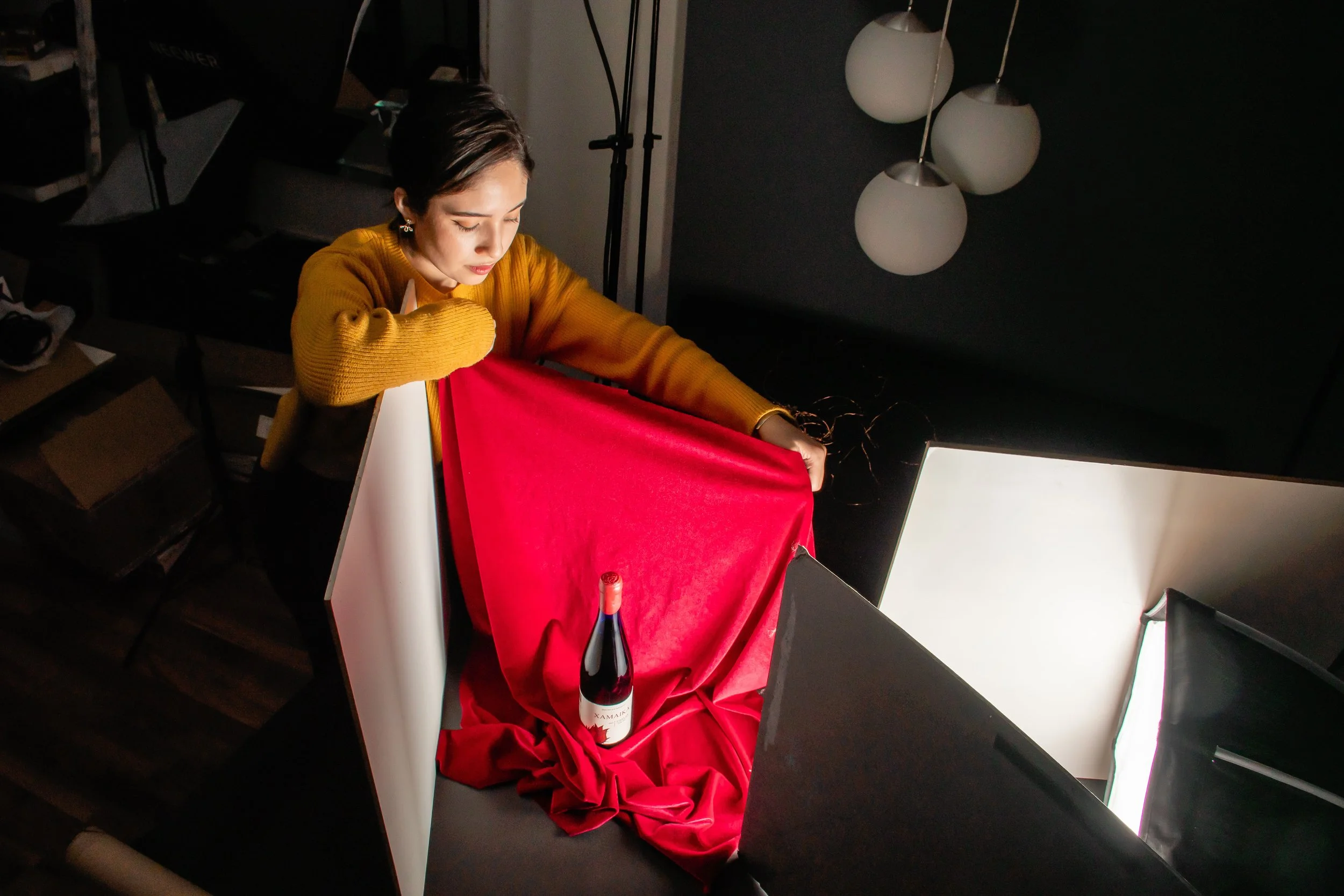
Photo source - pexels.com
Do nice photos actually help businesses?
The answer to this, my friends, is a hard YES!
And here's why.
If you're selling a product or service online, first impressions matter. As business owners, our job is to make it as easy as possible for customers to decide whether they want to buy from us.
The fewer questions they have, the easier the decision becomes.
For example, let's say you're selling freshly squeezed lemonade.
But your photos aren't well-lit, the colours don't look right, and nothing about the images really communicates "freshly squeezed lemonade."
How would someone know what they're buying?
You might have just made the decision-making process harder for them.
They start questioning your product.
"Hmm... their bottles of lemonade don't look very fresh."
Or perhaps the colours feel completely off.
"Is the juice actually pink or orange?"
When in reality, it's supposed to be yellow. But because of poor lighting or heavy editing, it looks pink in the photo.
Then there's the price.
"It's rather expensive, though."
Maybe your lemonade is actually the best they've ever tasted. But because the photos make the product look dull or cheap, customers may naturally question whether it's really worth the price.
So what happens now?
Instead of clicking "Add to Cart" immediately, they might start searching for your brand.
They might visit your Instagram page.
They might read reviews.
They might look at your competitors.
They're trying to find more information to reassure themselves before making a decision.
You've just added more steps between your customer and their purchase.
But what if your photos were clear, well-lit, and accurately represented what you were selling?
You might actually reduce the number of questions they have—and make the decision much easier.
So, what can you do?
Here are a few simple things I'd suggest.
Start With Some Research
I like using Pinterest to find ideas and inspiration for product photography.
You don't need a fancy studio or expensive equipment to start.
If all you have is an iPhone, search for "iPhone product photography ideas" and see what's possible with what you already have.
From there, you can decide whether you actually need to invest in additional equipment, such as lights or backdrops.
Start with what you have.
You might be surprised by what you can create.
Does It Look Like the Real Thing?
One thing I always pay attention to is whether the colours and overall appearance of the product actually resemble the real thing.
I've seen brands create a very consistent colour palette across their websites and social media by applying the same filters to all their photos.
Yes, it can look visually cohesive.
But sometimes, those filters can also change the colours of the actual product.
If your yellow lemonade suddenly looks pink, you might have a problem.
For now, I'd keep things clean.
Simple edits are usually enough.
Make sure your customers see something that resembles what they'll actually receive.
Put the Product First
If you enjoy styling your products and adding props, please do!
Want to put some lemons beside your lemonade bottles?
Go for it.
But be careful not to overwhelm the main product.
I've seen some brands add so many props and decorative elements that I genuinely don't know what I'm supposed to be looking at.
Are you selling the lemonade?
Or the lemons?
Start simple.
Then, as you become more comfortable, you can slowly introduce more creative styling, props, or design elements.
But always remember what the customer came to see.
Put your product on the pedestal.
Consider Hiring a Professional
If your business relies heavily on selling your products or services online, investing in a professional photographer or videographer can be worthwhile in the long run.
Of course, I would always recommend finding someone whose portfolio actually matches what you need.
Good images can work for you long after the shoot is over.
Once you publish them online, they can continue appearing on your website, social media, advertisements, brochures, and other marketing materials for months or even years.
There's also another advantage.
Professionals already have the equipment and experience to get the job done efficiently.
Imagine spending an hour trying to take five usable photos.
A professional might be able to create twenty strong images in half that time.
Now you have more content, and more importantly, you have more time to focus on what matters most—running and growing your business.
Good Images Do Sell
Remember, when you're heavily reliant on selling your products or services in the digital marketplace, first impressions matter.
Your customers can't physically touch your product.
They can't smell it.
They can't pick it up and examine it.
Often, all they have is your photograph.
So ask yourself:
Are your photos helping people make a decision, or are they giving them more reasons to hesitate?
Because at the end of the day, standing out from your competitors isn't always about being louder.
Sometimes, it's simply about showing people what you have in the best possible way.
Good images do sell.
And sometimes, good images simply make it easier for people to say yes.
Thanks for reading!
Please feel free to reach out if you have any questions.